
kapurthala architecture
Kapurthala architecture is unlike anywhere else in Punjab, shaped by a princely state whose rulers looked to Europe as much as India for inspiration. This page introduces the distinctive Kapurthala buildings that define the city’s visual identity, from grand palaces to religious structures, many blending Indo-Saracenic architecture Kapurthala is known for with French and Mughal design elements.
The Kapurthala palace architecture style reached its peak under Maharaja Jagatjit Singh, whose extensive travels across Europe directly influenced the design of landmarks like the Jagatjit Palace, modeled loosely on the Palace of Versailles. This fusion of styles — domes and jharokhas alongside mansard roofs and formal gardens — makes Kapurthala a genuinely unique case study in colonial-era Indian architecture.
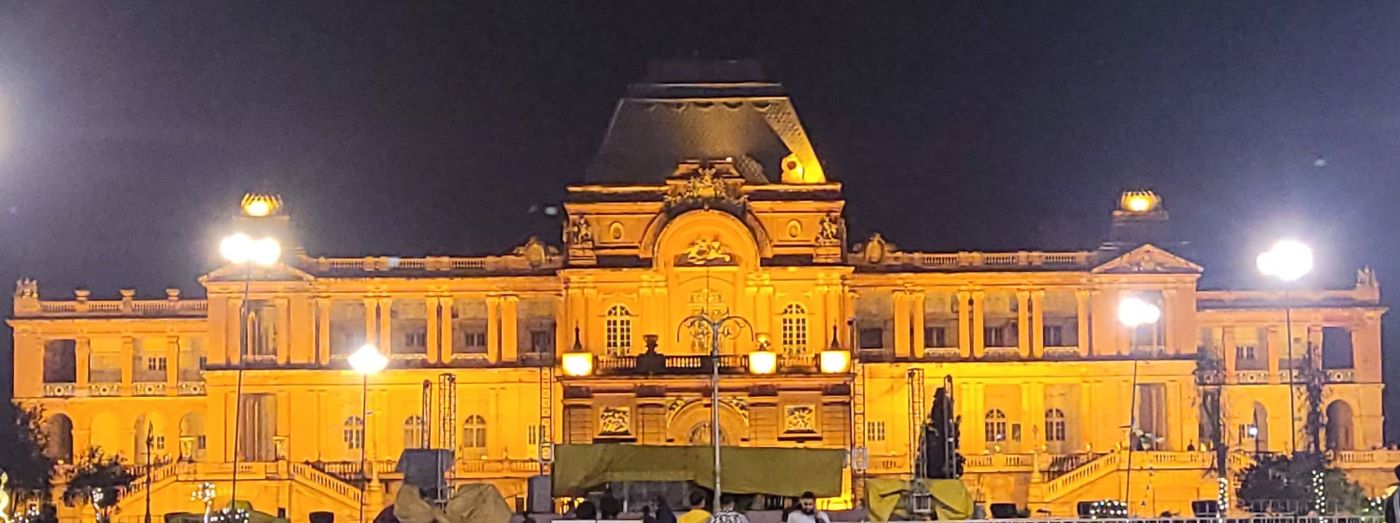
The Jagatjit Palace architecture style in particular drew direct inspiration from the Palace of Versailles, making it one of the most photographed and studied buildings in the region.
Famous Architecture Buildings
Jagatjit Palace (1900-1908)
The most iconic monument of Kapurthala, built by Maharaja Jagatjit Singh in French Beaux-Arts style. Today it houses Sainik School Kapurthala.
Moorish Mosque (1930)
One of India’s finest examples of Moroccan-Andalusian architecture, built for the Muslim community by Maharaja Jagatjit Singh.